
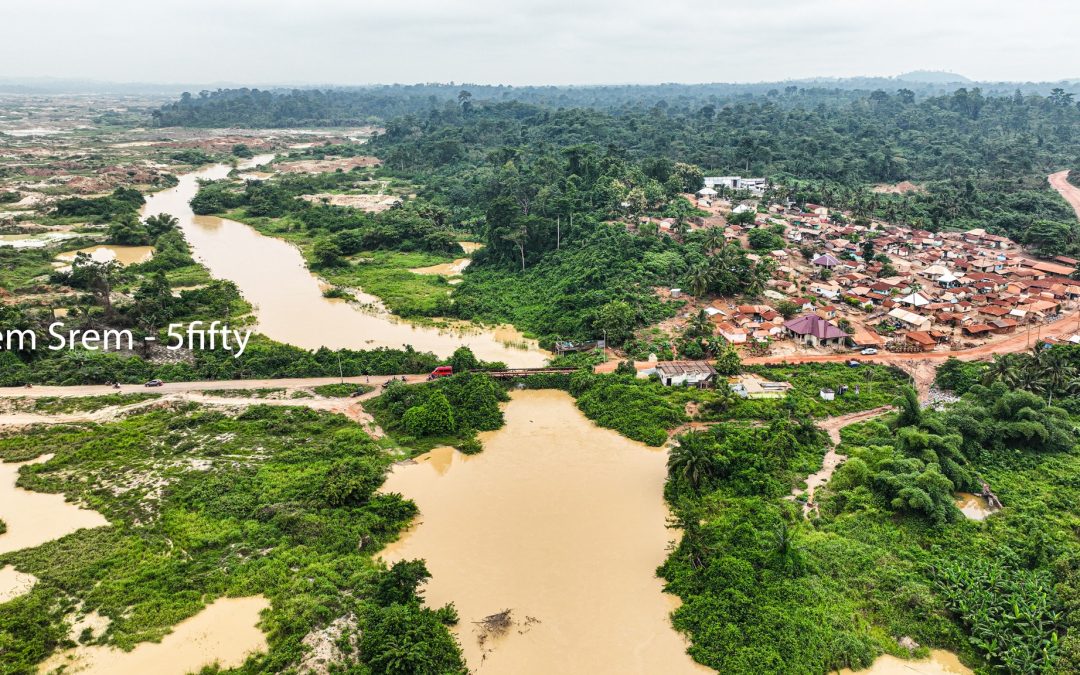
My name is Nana Kwesi Assan. I am 29 years old, and I come from a small community near Hiawa in the Wassa Amenfi Central District of the Western Region. I live with my father, a man now in his mid-70s, whose body carries the evidence of decades of labour. His back is bent, his legs are weak, and the same hands that once cleared farms with power now shake when he lifts a cup.
People see places like ours and talk about illegal mining as if the matter is black and white. But for many of us, it has always been survival mixed with pain, memory, mixed with sacrifice, and hard choices wrapped in desperation. Do you wonder why communities in illegal mining areas don’t rise up and fight it?
My parents were cocoa farmers. They raised me and my seven siblings from farming. They were doing mixed cropping, until the cocoa grew older. My mother was a strong woman. Before sunrise, she would already be awake, warming last night’s food for us as children to eat before we walked to school, then she joins my father who left at dawn for the farm. Together, they weeded, sprayed, planted, harvested, and carried heavy cocoa loads on tired shoulders. They worked until their bodies ached because eight children were depending on them. Yea, poverty stayed with us like a shadow. No matter how hard they worked, money was never enough. School fees were a burden. Lack of money for medical treatments made them self-taught herbal medicine practitioners, and we, including themselves, were their lifelong patients. Rice that those of you in the cities are tired of eating was a luxury. We ate it once in the two-harvesting crop season. We wore struggle like clothing.
Many people think cocoa farming means money. It’s not! It could have been, but the buying scheme in place will never make you a middle-class person. Sometimes when we listen to those of you in Accra discussing cocoa price per bag from that radio that hangs on the branch in the farm, it feels like knocking you people hard with the back of the hoe. Many of you do not know the suffering hidden behind each bag of beans. You do not know what it means to watch your trees weaken while you cannot afford fertilizer. You do not know the shame of standing helpless while your farm slowly declines because you lack the means to support it.
There were times fertilizer was beyond our reach because we had no money. I remember being on the back of my father on his rickety motor bike going from nearby farm owners to another asking for some few bags. Then came the years government said fertilizer was free. This is between 2013 and 2016. Strangely, that was when it became even harder to get. Political people controlled the distribution. Those with party connections got access. Those who truly needed it were left waiting, begging and hoping. Some people collected more than they needed and sold it. Real farmers like my father watched opportunities pass by while our farms suffered. That was, and is how the system treats men and women who produce cocoa for the country.
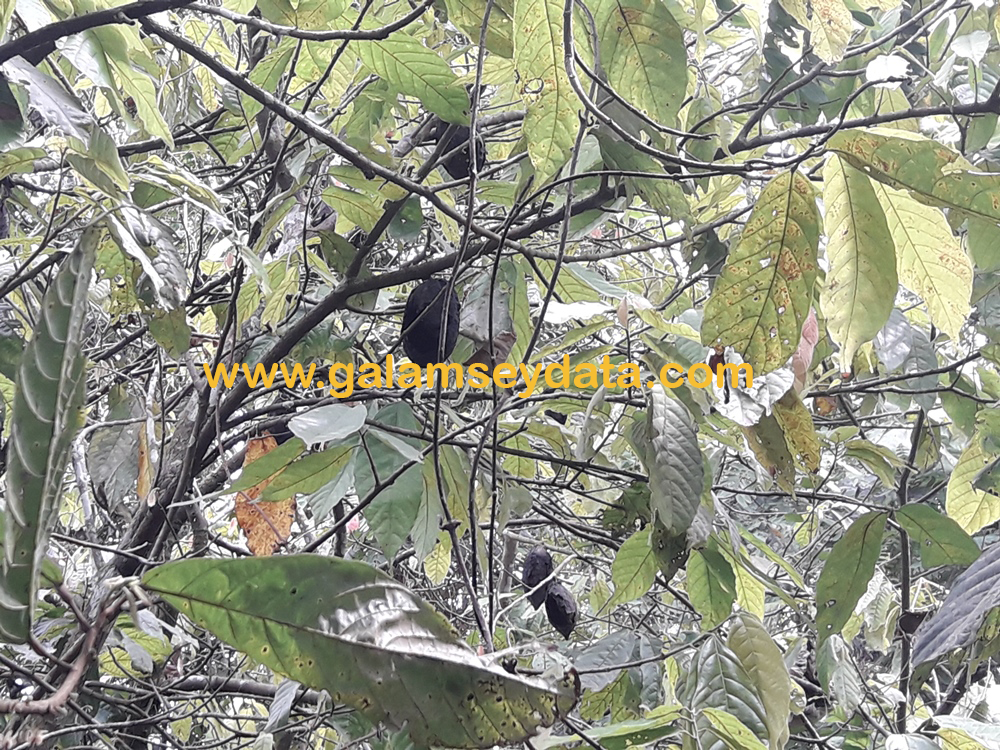
Some pictures I had about our diseased cocoa farm
Then my mother died in September 2012. Deep down, I know she died from the fall she suffered one morning when we were collecting and assembling cocoa pods in the farm. That fall, and the look on her face that morning got me scared. She was scared too, when my father was lifting her up! I still remember that morning. The rains had fallen the night before, and she had already been worn down by years of struggle. She spent her life helping my father on the farm and caring for eight children, but she left this world without ever tasting comfort. Her death broke our home. She was the glue holding us together.
After she died, things became heavier. Some of my siblings moved away in search of survival. Others were battling their own struggles at Pensanom, Akyekyere, and Sambreboi. It became mostly me and my old father, trying to hold on to a farm that was also growing old.
The cocoa trees had aged like him. Yields were dropping. Disease was common. Costs kept rising. What the farm gave us was no longer enough. I was adding my own young plants gradually. Thank God the land was inherited from my father’s father.
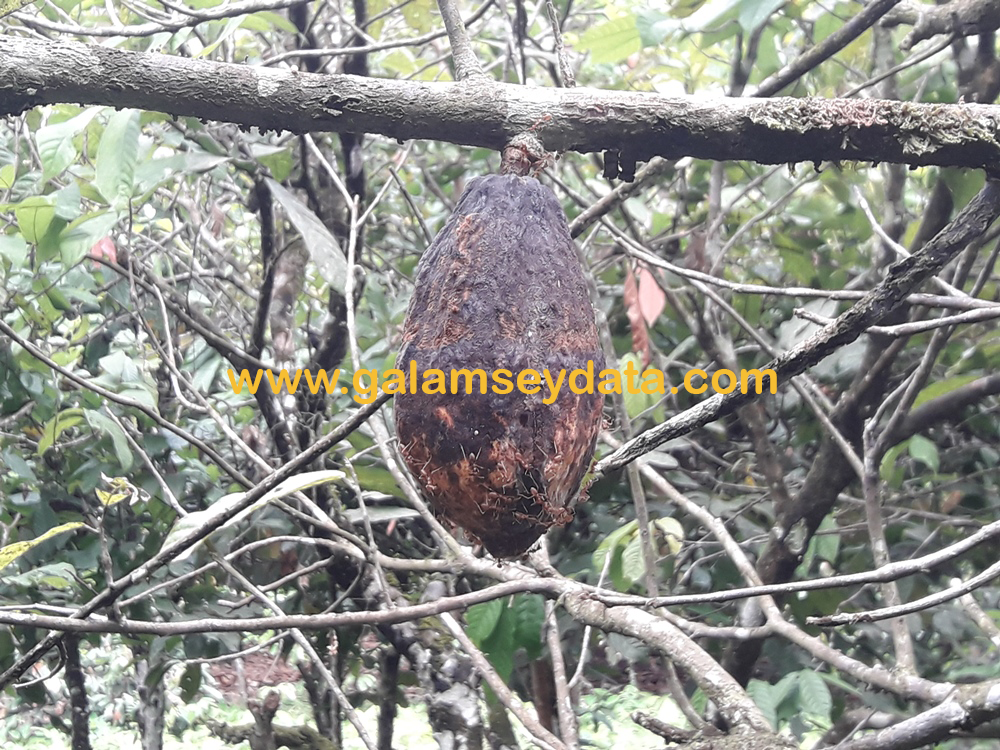
Some pictures I had about our diseased cocoa farm
Around us, the neglect, the stagnated growth in new buildings, the yellowish decaying roofing sheets on houses, and the silence you feel in some abandoned houses that once had a lot of people stay there was a telling picture.
Our school was in a disgraceful state. Cracked walls, leaking roof, broken desks that we celebrate whenever the assembly man occasionally fights his way to bring us 10 or 20, children learning in conditions that quietly told them they were forgotten. When rain fell, lessons were disturbed. Some of us sat in discomfort while trying to dream about a future nobody seemed interested in building for us.
Healthcare was another burden. The nearest CHPS compound was two communities away. During the rainy season, reaching it became a struggle. The road turned slippery and dangerous. Even motorbikes found it difficult to pass in some parts. Imagine carrying a sick child, an old man, or a pregnant woman through that road while the rain is falling. Sometimes, help was so far away it felt useless. That was the life we knew.
Then one day, something happened that changed everything.
A man from Wassa Akropong, together with two others, came to see my father. They said from their exploratory activities conducted discreetly on our farms; there was gold beneath our two acres of cocoa land. At first, I was stunned. The same land that had drained my parents’ strength for years was now being described as wealth hidden under the ground? But was painful too. Those cocoa trees were not just trees. Some had been planted by my mother and father with their own hands. They carried memories. They carried sacrifice. They were part of our family story. They said we should give them a call, whenever we were ready to sell it off, and then they left. I walked through the farm many times after that conversation. I touched the trunks. I remembered my mother there. I remembered following my father as a child. We should sell them off? Selling them off would feel like cutting down history itself.
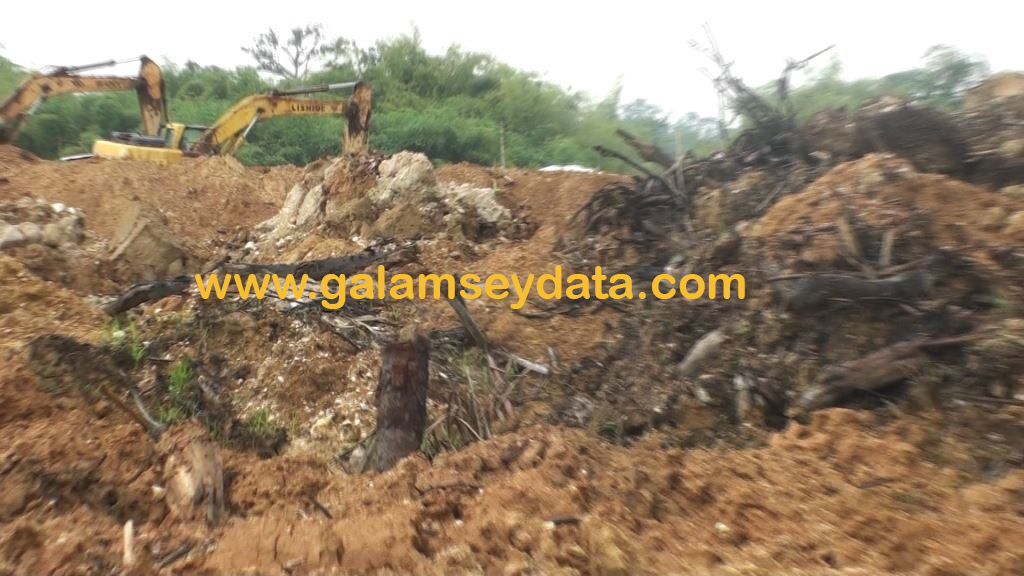
Some nearby had already sold their farms to the miners, and had left for the towns.
One night, I got up at dawn and took a look at my sleeping Dad. That man has suffered. Would he also die trying, just like my mother? I also thought about what had led some other farmers who had sold their farms earlier to do so. I saw that their lives had changed. Men who once struggled like us had built house at Akropong. He had stopped coming around. His prosperity was visible for me to see.
The next morning, I called my siblings. We discussed it deeply. We argued. We became emotional. But one truth remained before us: our father had suffered enough. In the end, we agreed to sell it off to give our Dad a life he had hoped in us. That money changed our lives.
We bought a plot at Wassa Akropong. We built a five room-one-storey building on it. The ground floor was of stores we rent out to traders. One of my brother’s wife is doing business in one of the shops. We created something that brings income every month.
We bought 6 Pragyas Taxis for commercial transport. I also use part of the money from my young crop farm that I later sold to the people to buy gold from others and trade it. For the first time in my life, money began to work for us instead of us only working for money.
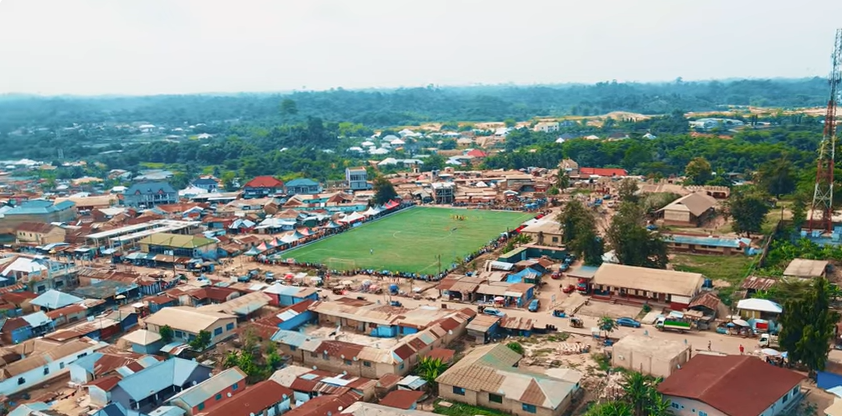
Wassa Akropong
Most importantly, my father I believe see life differently now. He eats and rests better. He gets better healthcare. Sometimes I sit and watch him in peace, and I think about how many years he suffered for us. I wanted him to taste comfort before death takes him. Now he has. Same I had wished for my mother. May God keep her wherever she is. My life is no longer the same.
People may condemn what we did. They may speak about the land, the rivers, the pollution and the future. Well, those concerns are real. But many of those speaking have never carried the burdens we carried. You have never buried a mother broken by labour. You have never watched an honest father grow old in poverty. Most importantly, you in the cities never cared about what life was doing for us. When you saw the rivers turn brown, suddenly you cared! I don’t blame you. You have never lived in a forgotten community where even basic dignity feels distant.
So before you judge us, ask yourselves: If you watched your parents suffer all their lives and one chance came to change everything, what would you have done? Suddenly become a hero by loving the country that showed you decades that it doesn’t care about you?
If your father was entering old age with nothing after decades of honest labour, would you let him continue like that?
If the farm that gave your family pain, suddenly offered freedom through the gold beneath it, would you turn away?
If you had good roads, hospitals, schools, jobs, and comfort from the beginning, are you truly in the position to judge those who had none?
Let the state give us reasons why we give it our all, and we would have been patriotic.
For now, I’m looking at how to finish the reclamation, and how that land could be allowed to rest, (it had done enough) until another generation of my father takes over.