I first heard about galamsey through my friend Lardi, who is from Nadowli,. She had already been moving between mining towns in the south, particularly in the Western and Western North regions, and it was through her that I began to understand what was possible. At the time, I was preparing to travel to Kumasi Sawaba, to join Talata, a schoolmate, to work as a kayayei. I had told myself that if I couldn’t manage carrying loads, I would look for a job assisting at any food joint, or do anything she offers, so I survive.
Before I joined Lardi, she was staying with her boyfriend in a group of young people from the North, at Bawdie in the Western Region. But at some point, the government taskforce began operations in the area in 2021, and were carrying out raids, arrests, and constant harassment. This boyfriend of hers was part of those who were picked up during one of the swoops, and after he was released, the “master” they were working with moved them to another site at Dunkwa-On-Offin. So, for some time, he was away working there, while Lardi remained. It was in the middle of this that my path to working in the pit started, and my destiny began to change.
My name is Lariba. I am from Kaleo in the Upper West Region. This is how I moved from the thought of becoming a kayayei at Kumasi Sawaba to becoming a small-scale miner, what many call galamsey, and how it has helped me find my feet.
It was during the period when Lardi’s man had gone to Offin Dunkwa for some time that she Lardi reached out to me again in a telephone call about the conversation we had had in December 2022 about working as a miner. She told me there was space, that if I was serious, I should come. She told me that mining reward far outweighed kayayie. Personally, I remembered how she used to return home every December looking more independent, in the past 7 years or so, and now supporting her younger sister in Tamale who was learning makeup. That stayed with me. So, in February 2023, I agreed and made the journey from Kaleo through Kumasi to Bawdie.
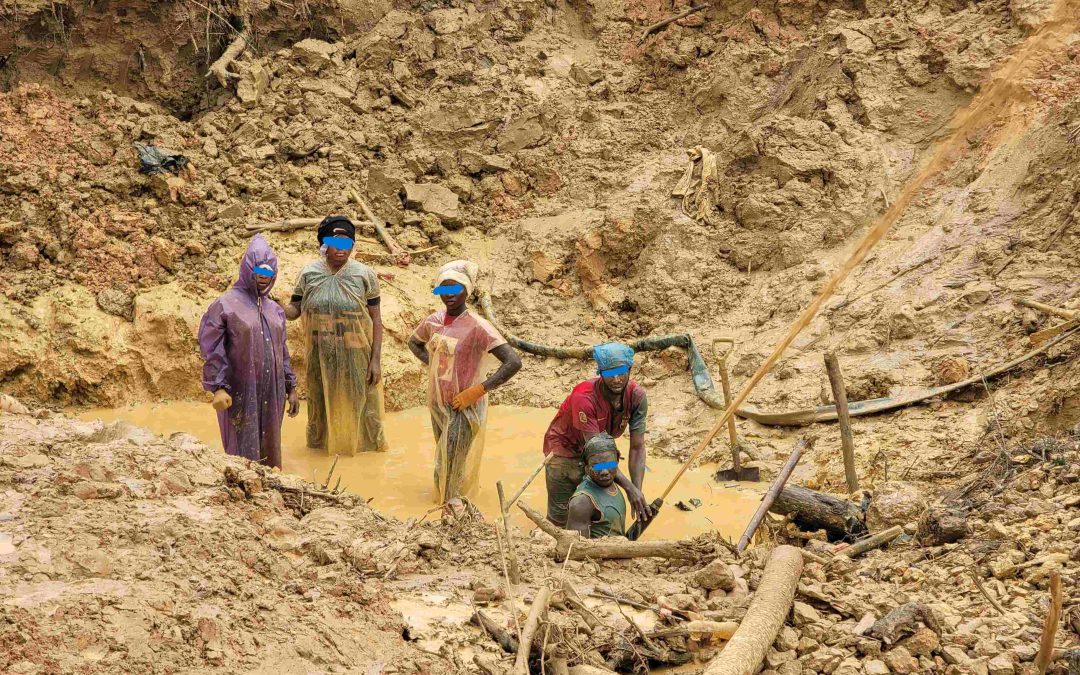
When I arrived, I quickly understood that life here depends on your strength and choices. You either sell food, water, and drinks, or you work with your body; carrying loads, washing ore, or going into the pit. I did both. Some days I sell, other days I carry. And when I am not in my menses, I join them in the pit in washing directly. One method of mining is “One Leg”. It is not easy, but at least you see something small at the end of each “breaking day”.
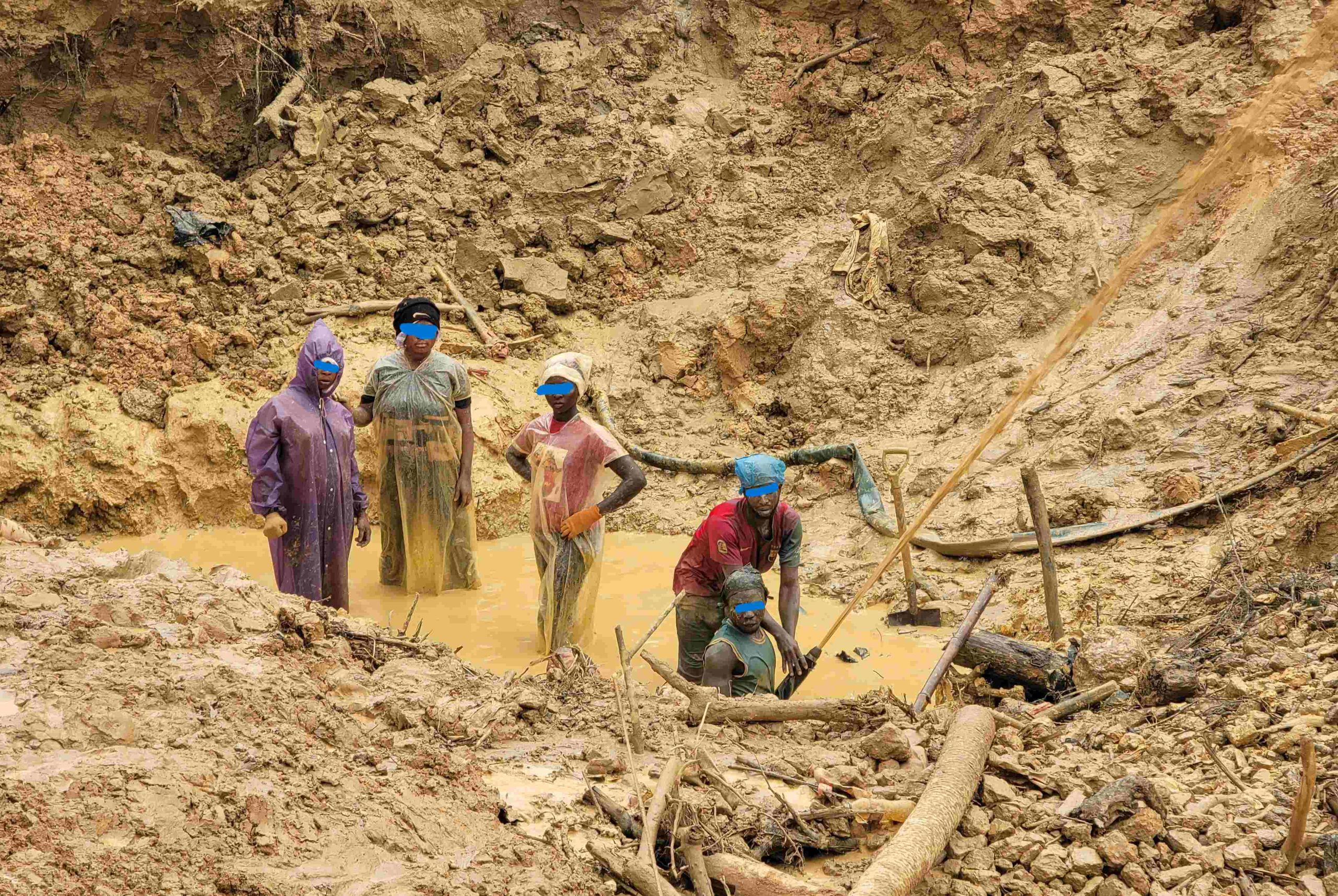
Sometimes I am in the pit with the guys
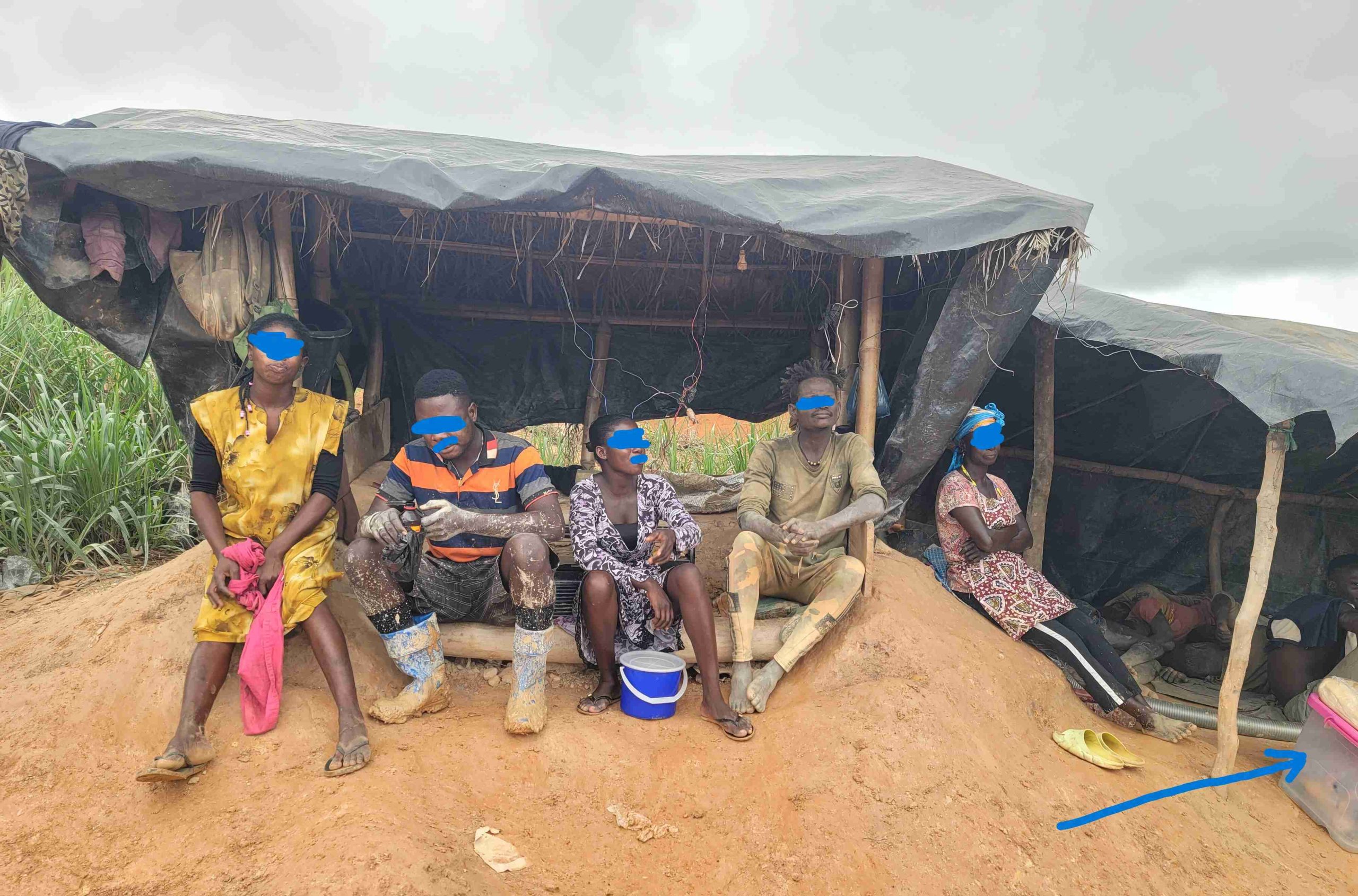
Other times, I sell on site to the miners
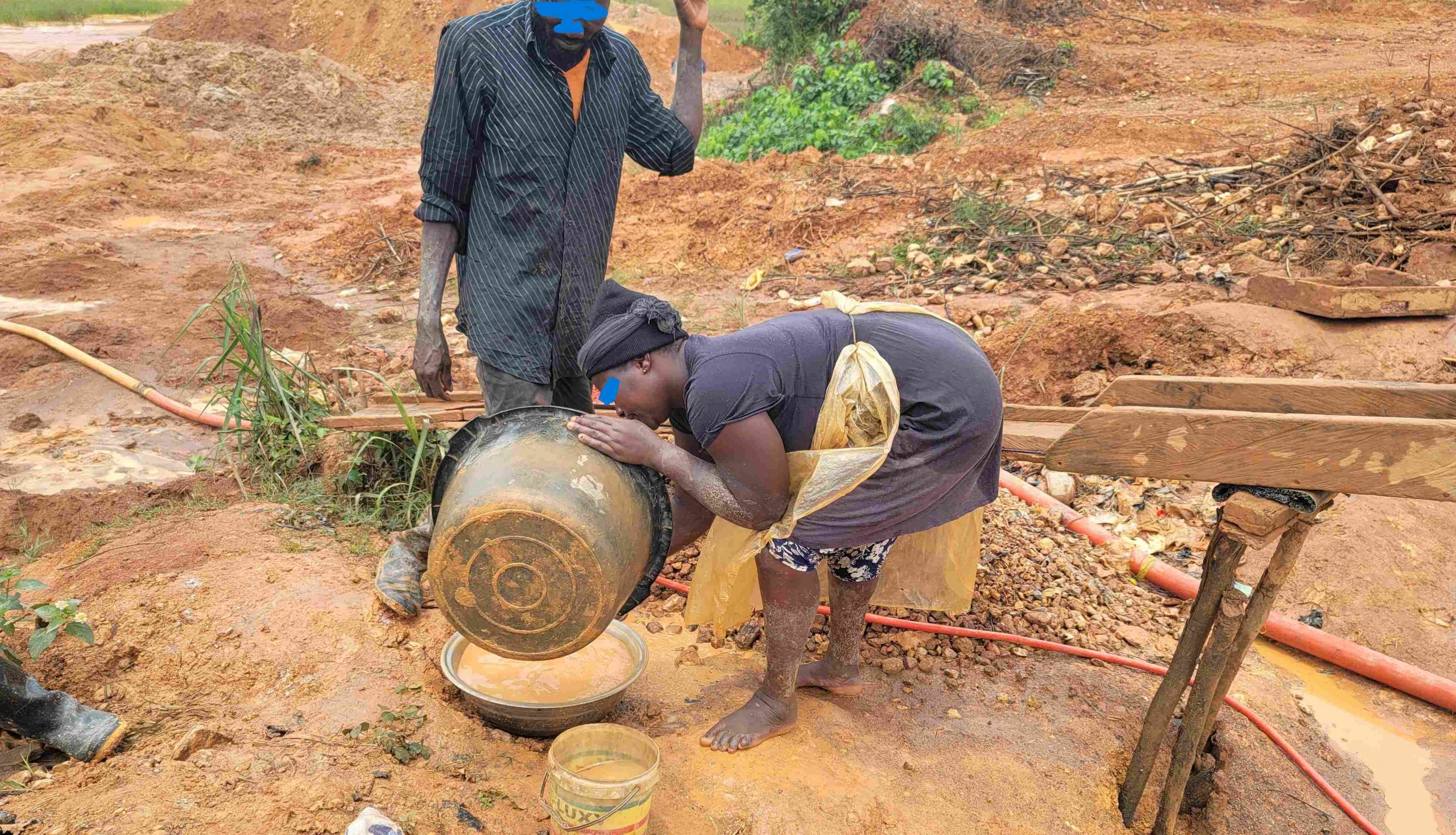
I also help wash for the “black”
After some months, my friend’s boyfriend returned from Dunkwa-On-Offin when things became calmer. His return, however, changed my situation. The room we had managed before became too tight, and I could not continue staying there. I had to find another way, even though they were not asking me to leave.
That was when someone from Talensi who has been mining here stepped in. He saw my situation and offered me a place in the wooden structure where he stayed. It was not much, but it gave me space and some peace. Sometimes he would share food with me when work had not gone well. In a place like this, that kind of help is something you don’t forget.
Five months after I arrived, I got pregnant. That was my lowest moment. When I gave birth, there was no proper time to rest. I had to return to the site not long after, carrying my baby with me. Sometimes I would strap the child on my back while I worked, or lay her nearby under shade. And anytime we heard that the taskforce was coming, we had to run. I have run into the bush with my baby more times than I can count. Those days were very hard. But I stayed, because I could see that something was changing in my life.
Today, my child is almost three years old. For now, she is back home in Kaleo with my mother, and she has started schooling. It was not easy to send her away from me, but I knew it was the best decision for her safety and stability.
As for me, I am still here working. At times, I join the men in the pit for a little while to earn a little more. I am not just working to survive. I am working with a plan. I have managed to save some money, and also some small ounce of gold which I keep and only sell when the price is good, or toward the end of the year. It helps me build something gradually.
I have also started making enquiries in places like Obuasi, Anwiankwanta, and Akropong. My plan is to open a wholesale shop for makeup items and ladies’ wear. I have seen how that business is growing, especially among young women, and I want to into in that space. It connects to what first inspired me; seeing my friend support her sister who was learning makeup. Once I am able to gather enough to rent a place and set up my shop in any of these places, I will bring my daughter down to stay with me and continue her schooling there. For now, she is safe with my mother, and I am here building the foundation.
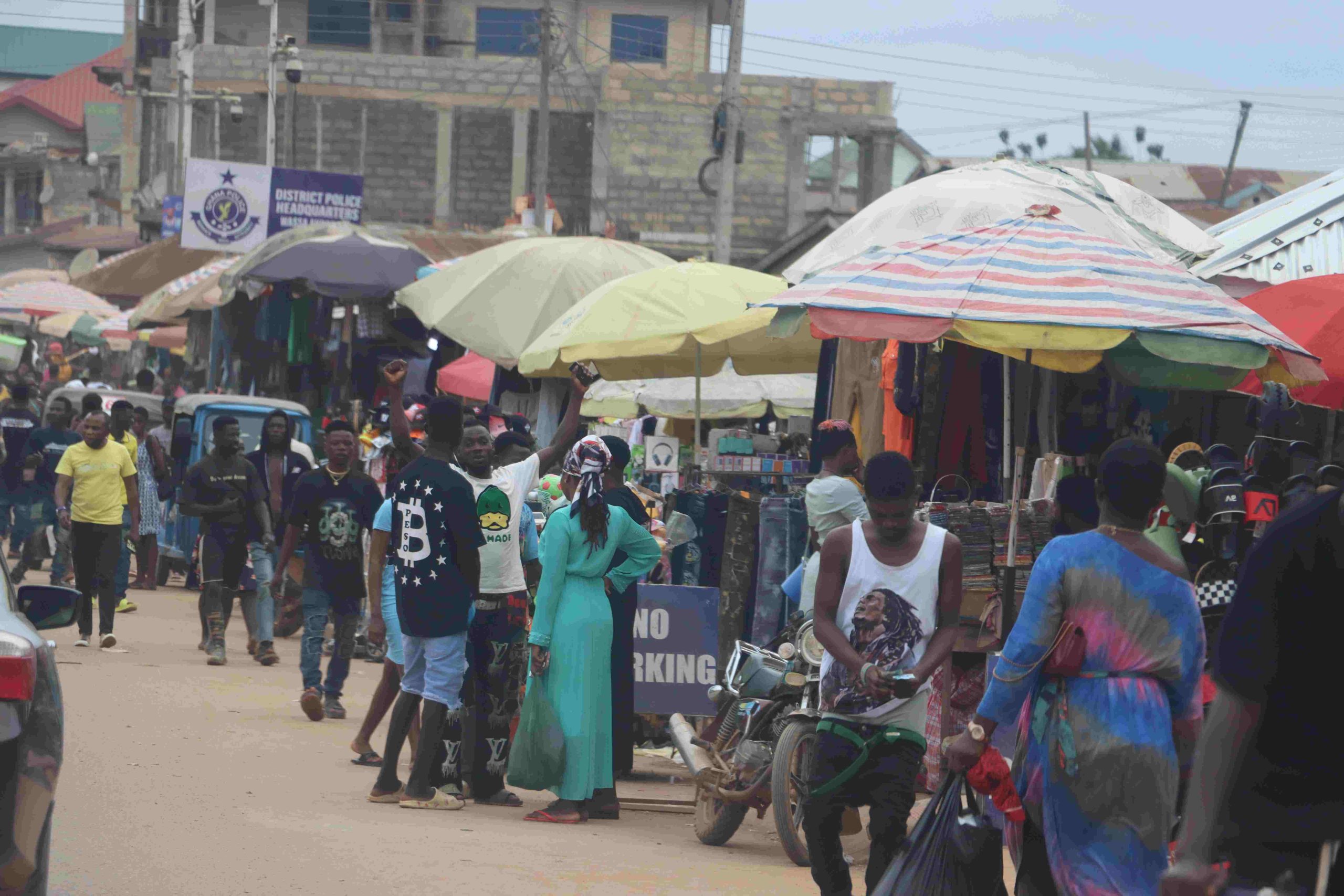
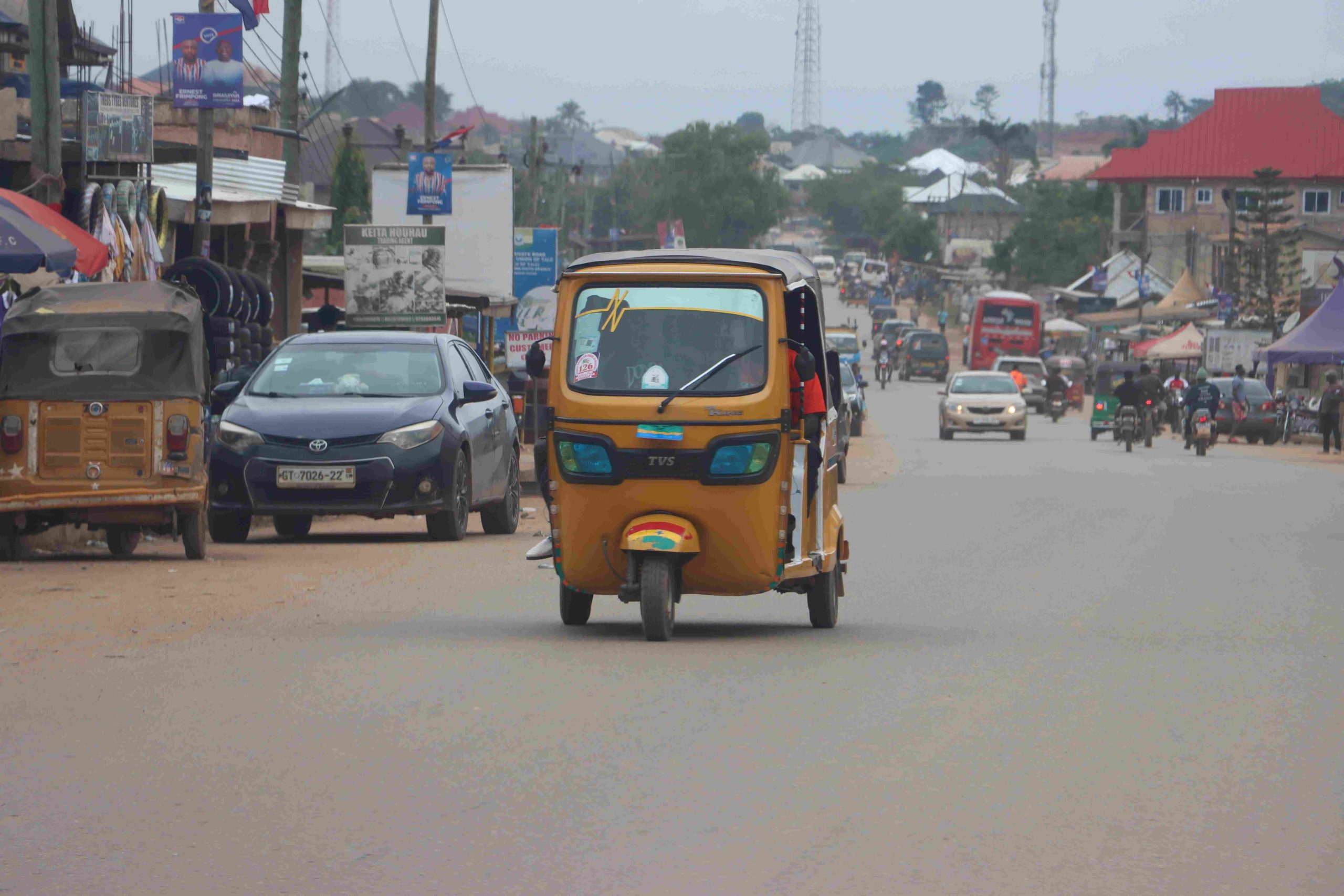
Wassa Akropong is a busy commercial town now
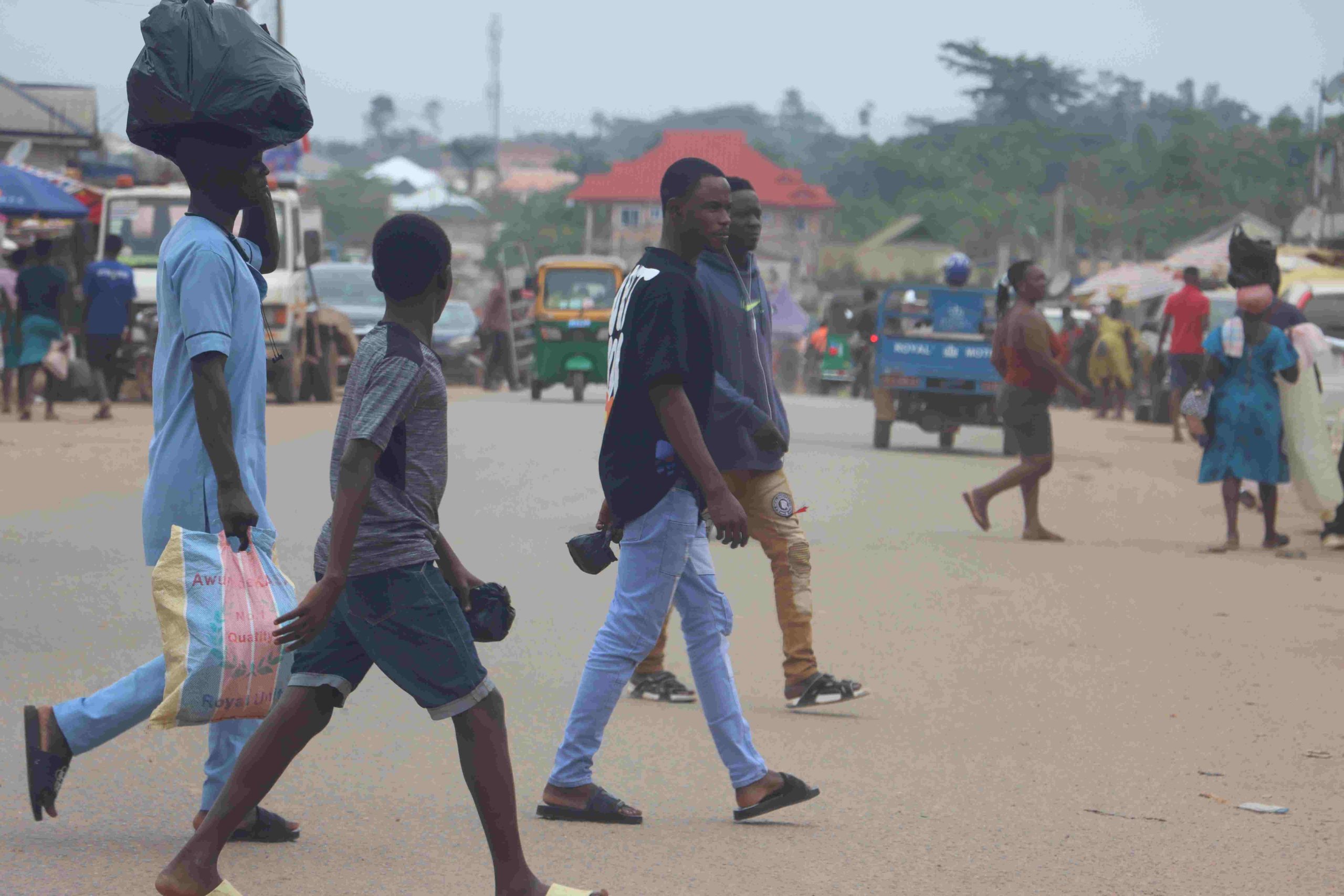
Wassa Akropong is a busy town
 This work has not been easy. There is danger, there is stress, and there are sacrifices. But it has also opened a path for me. Back home, opportunities were few. Here, even though it is risky, I have been able to earn, save, and plan.
And I will say this clearly: this work can change the story of many northern women. In the past, a lot of us migrated south to become head porters. Today, thousands of us, if not more, are finding another path here in mining areas. We still work hard, sometimes even harder, but here, there is a chance to save, to grow, and to think about tomorrow. There is a chance to move from just surviving to building something.
I sometimes listen to people on the radio, or on the TV talk about small-scale mining as if it is only destruction. I will not deny that there are bad practices. But not all small-scale mining destroys water in the same way people describe. There are places and ways the work is done that try to manage the impact, even if not perfectly. Not all of us mine directly in rivers. Also, mercury is used in our work. But no miner wants to lose their mercury carelessly into the rivers the way it is often said. Mercury is valuable to the process. It is something we try to keep and reuse, because losing it is like losing money. That does not mean there is no pollution at all, but it also means the story is not as simple as it is sometimes told. If anything, I believe more can be done to reduce the harm while keeping the livelihoods.
For example, I have always thought: why can’t the government work with the universities to develop simple systems that can help clean or sieve polluted water before it flows into the main rivers? Even small treatment points around mining areas could make a difference. If students and researchers are given this task, they can come up with practical solutions that work in places like this. Again, can’t the governments see that the use of soldiers cannot, and will not stop galamsey? There are real drivers of this form of mining, which puts financial freedom in the hands of the “have nots”, and so force is the last thing anyone who has the interest of those who were never meant to see some level of financial would want to use. To mine as we do, it requires huge sums of money that those of us in the pits don’t have. We rely on the big people in society with the money to invest. So we should not be the target, the financiers should.
At the same time, I think about the north where we come from. If there were more opportunities there, many of us would not have to travel this far to struggle. The government can invest more in profitable and sustainable skills training, small industries, irrigation farming, and support for young people to start businesses. If there were real jobs and support systems in places like Kaleo, Nadowli, and Wa, many young women would not have to choose between being kayayei and coming to the mines.
So when people say this kind of mining should be completely stopped, I ask myself some questions. If it is stopped today, what happens to people like me? What work is waiting for the young woman from Kaleo, from Nadowli, from Wa, who comes south looking for a better life? Will she go back to carrying loads in the markets? Will she return to a village where there is no work and no support? Who will take care of the siblings she is helping through school? Who will replace the income that is feeding families back home?
It is easy to call for an end when you are not the one whose daily bread depends on it. I am not saying everything here is right, neither is everything alright with those of you who work in the offices. But I am saying this work has given me something I did not have before; independence, responsibility, and a future I can see.
Currently, I am supporting two of my siblings in school in Wa, and another one at Notre Dame near Navrongo. I have a child who is already in school. I have savings. I have a plan to start my own business. All of this started here.
So, when I speak, I speak from my life. This work has its problems, just like any other job. But it has also helped me turn my story into something better, and I believe, with the right support, better policies, and practical solutions, it can do the same for many others like me.